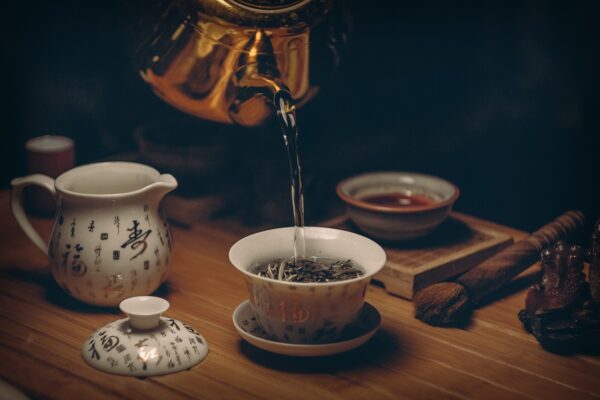
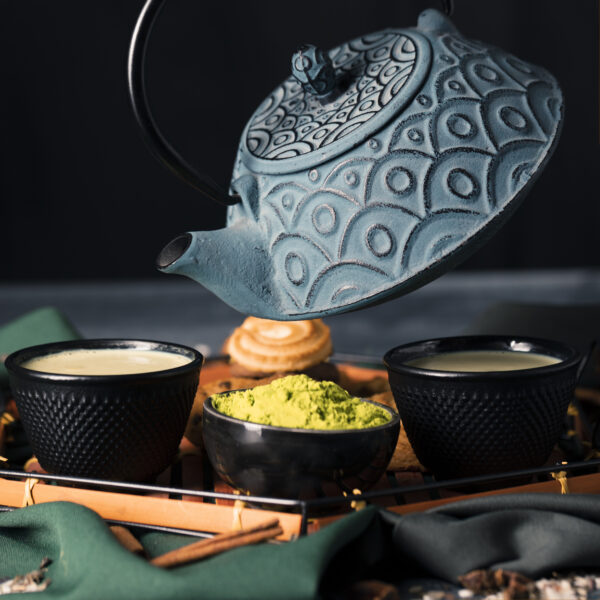
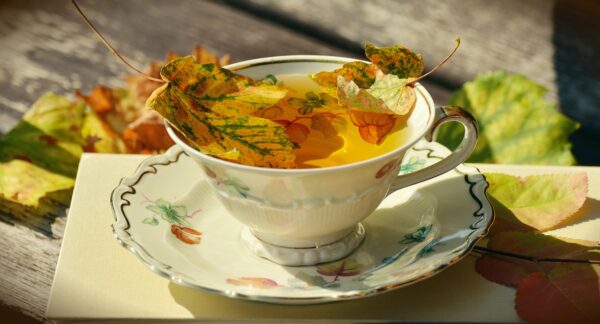
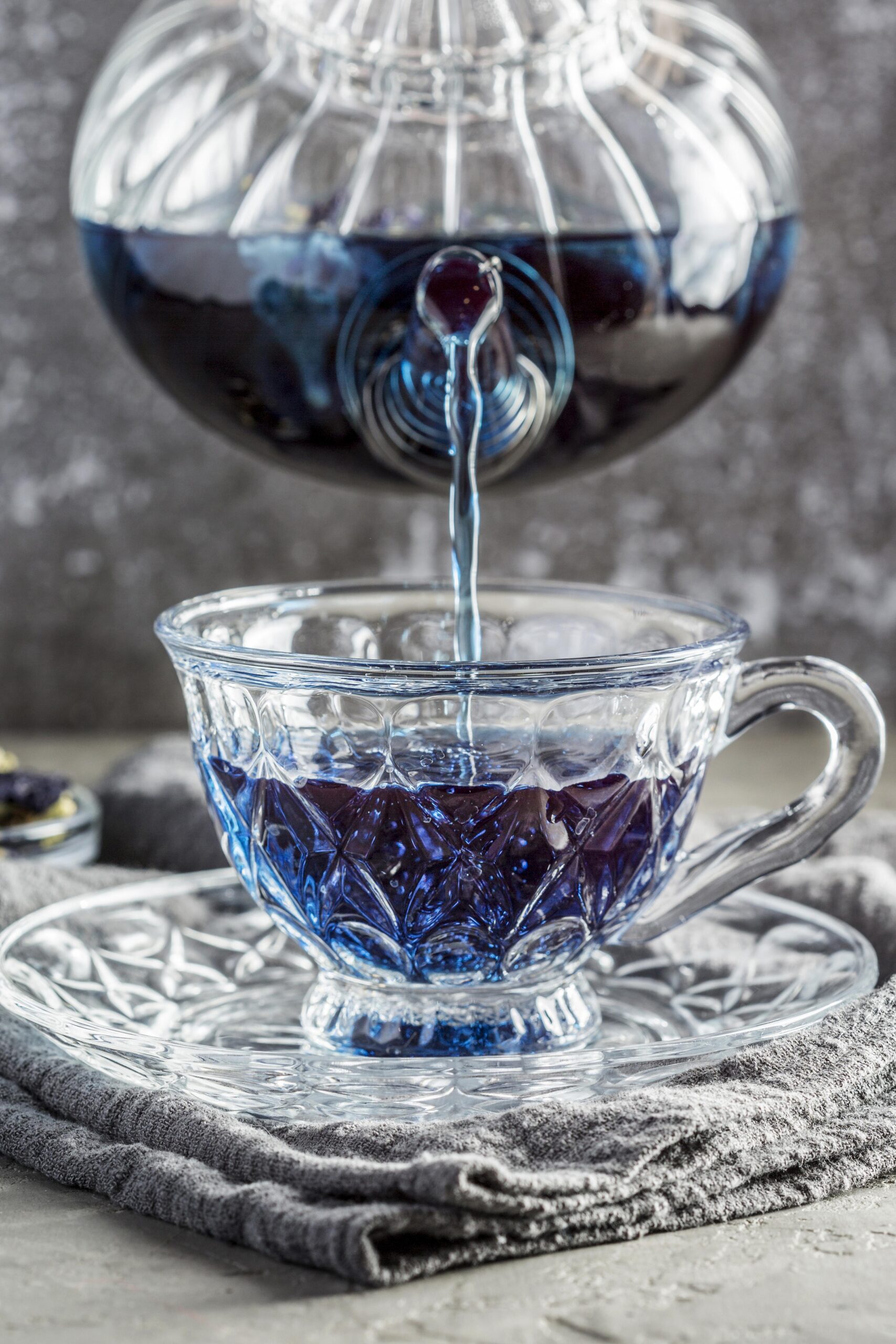
Tea, one of the most popular beverages worldwide, has a rich history and cultural significance across various countries. From the serene tea ceremonies in Japan to the vibrant tea markets in India, tea is more than just a drink; it’s a way of life. But which country drinks the most tea? Let’s explore the tea-drinking habits of some of the world’s top tea-consuming nations.
China: The Birthplace of Tea
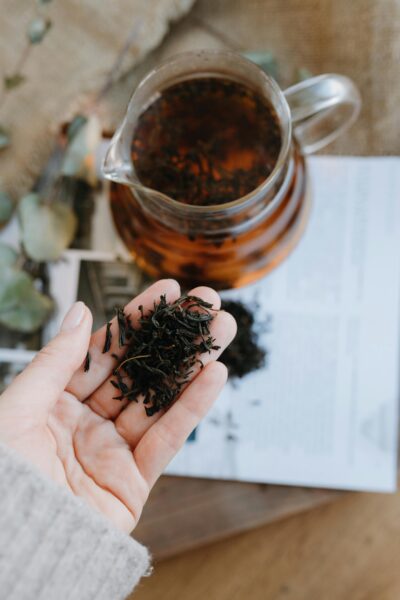
China, often regarded as the birthplace of tea, boasts a profound tea culture that dates back thousands of years. Tea is deeply embedded in Chinese society, with varieties like green tea, oolong tea, and pu-erh tea being popular. Chinese people consume tea not just for its taste but also for its health benefits and ceremonial significance. With an annual consumption of over 1.6 billion kilograms, China is one of the leading tea consumers in the world.
India: The Land of Chai
India is another heavyweight in the world of tea consumption. The country’s love affair with tea, particularly chai, is evident in every street corner, where tea vendors, known as chaiwalas, serve steaming cups of spiced tea to millions. Assam and Darjeeling teas are among the most famous varieties produced in India. Annually, India consumes approximately 1 billion kilograms of tea, making it a significant player in the global tea market.
United Kingdom: A Nation of Tea Drinkers
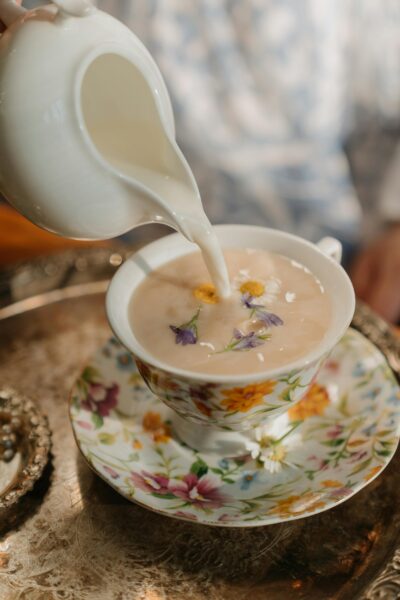
The United Kingdom has a long-standing tradition of tea drinking, dating back to the 17th century. The British are known for their iconic afternoon tea, complete with scones, sandwiches, and a pot of strong black tea, often served with milk and sugar. On average, Brits consume about 100 million cups of tea daily, amounting to around 165 million kilograms of tea per year. This makes the UK one of the top tea-drinking countries per capita.
Turkey: A Passion for Çay
In Turkey, tea, or çay, is more than just a beverage; it’s a cornerstone of social life. Turkish tea is typically strong, served in small tulip-shaped glasses, and enjoyed throughout the day. Tea houses and gardens are popular spots for socializing and relaxing. Turkey’s annual tea consumption exceeds 200 million kilograms, reflecting the nation’s deep-rooted tea culture.
Japan: The Art of Tea
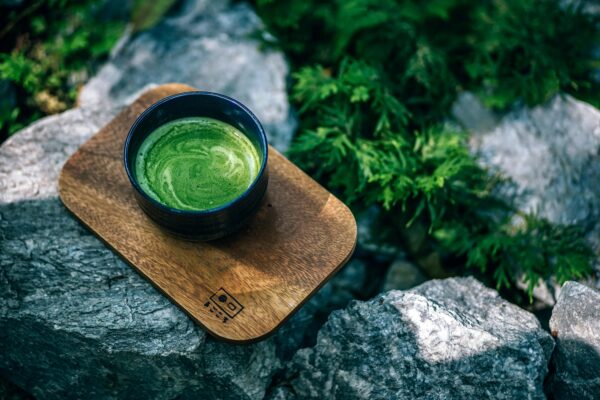
Japan’s tea culture is renowned for its ceremonial elegance and precision. The Japanese tea ceremony, or chanoyu, emphasizes mindfulness, harmony, and respect. Matcha, a powdered green tea, is especially popular and has gained international fame for its unique flavor and health benefits. Japan consumes around 100 million kilograms of tea annually, with a significant portion being green tea.
Russia: Samovars and Strong Tea
Russia has a distinctive tea culture, often associated with the samovar, a traditional tea brewing device. Russians enjoy their tea strong and often sweetened with jam or sugar. Tea is an integral part of Russian hospitality, and it is commonly consumed throughout the day. Russia’s annual tea consumption is approximately 170 million kilograms.
Morocco: A Love for Mint Tea
Morocco is famous for its refreshing mint tea, a blend of green tea, fresh mint leaves, and sugar. This aromatic beverage is a symbol of hospitality and is often served to guests. Moroccans take pride in their tea-making traditions, which involve a graceful pouring technique to create a frothy top. Morocco’s tea consumption is about 70 million kilograms per year.
While these countries are among the top tea consumers globally, it’s challenging to pinpoint a single country as the ultimate tea-drinking champion due to varying metrics like total consumption versus per capita consumption. However, what is clear is that tea holds a special place in the hearts of people worldwide, transcending borders and cultures.
Whether you’re sipping a delicate green tea in China, enjoying a robust chai in India, or relishing a comforting cup of black tea in the UK, tea’s universal appeal continues to unite and delight people across the globe.
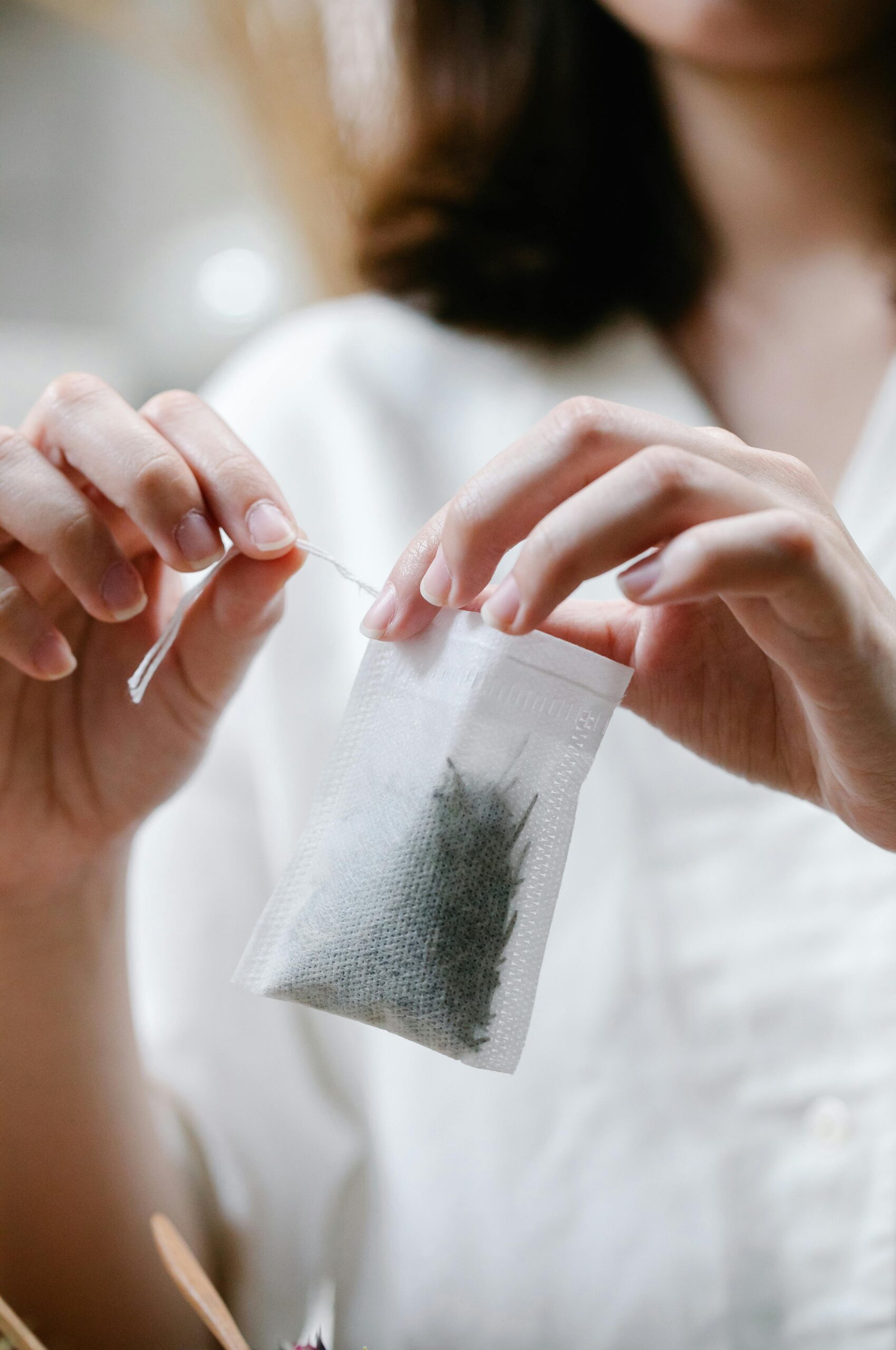
The tea bag is a ubiquitous item in kitchens worldwide, simplifying the process of brewing tea. But when was this ingenious invention first introduced, and how did it become so popular? Let’s take a journey back in time to explore the origins and evolution of the tea bag.
The Early Beginnings: A Serendipitous Invention
The tea bag’s origin story is both fascinating and serendipitous. It all began in the early 20th century with an American tea importer named Thomas Sullivan. In 1908, Sullivan started sending samples of his tea to potential customers in small silk bags. These bags were intended to be opened, and the tea leaves inside were to be used as loose leaf tea. However, some customers found it convenient to steep the entire bag in hot water, thus inadvertently inventing the tea bag.
While Sullivan’s silk bags were not initially designed for brewing, this accidental discovery led to the realization that porous bags could be used to hold tea leaves, making the brewing process simpler and cleaner.
The Commercialization and Evolution of the Tea Bag
Recognizing the potential of this new method, Sullivan and others began to explore materials that could be used to create more practical and efficient tea bags. Silk was soon replaced by gauze, and later, paper was found to be the ideal material for its permeability and cost-effectiveness.
The first patent for a tea bag machine was granted in 1929 to Adolf Rambold, an employee of the German company Teekanne. This machine automated the production of tea bags, significantly boosting their popularity and availability. Teekanne, originally founded in 1882, played a crucial role in the widespread adoption of tea bags, particularly in Europe.
The Tea Bag Takes Over the World
Throughout the 20th century, tea bags grew in popularity across the globe. In the 1950s, heat-sealed paper fiber bags were introduced, which further improved the convenience and reliability of tea bags. This innovation also allowed for mass production, making tea bags a staple in households worldwide.
By the 1970s, tea bags had become the preferred method of tea consumption in many countries, including the United States and the United Kingdom. The convenience of tea bags made them particularly popular among busy individuals and those new to tea drinking.
Modern Innovations and Variations
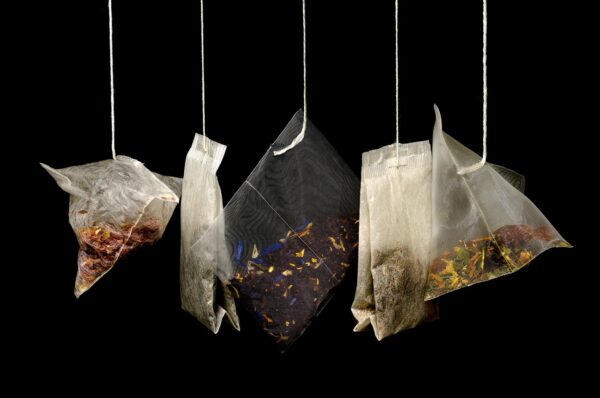
Today, tea bags come in various shapes and sizes, including the popular pyramid shape, which allows for better water flow and more room for the tea leaves to expand. Innovations in materials have also led to the creation of biodegradable and environmentally friendly tea bags, addressing concerns about plastic waste and sustainability.
In addition to traditional black and green teas, tea bags are now available for a wide range of herbal blends, fruit infusions, and specialty teas, catering to diverse tastes and preferences.
The invention of the tea bag revolutionized the way we enjoy tea, transforming it from a ritualistic and time-consuming process into a quick and convenient experience. From Thomas Sullivan’s accidental discovery to the modern innovations we see today, the tea bag has a rich history that continues to evolve.
As you brew your next cup of tea using a tea bag, take a moment to appreciate the ingenuity and history behind this simple yet transformative invention. Whether you’re a tea aficionado or a casual drinker, the tea bag remains a testament to human creativity and the enduring appeal of a good cup of tea.
Spearmint tea is more than just a refreshing drink; it’s a natural remedy that offers a multitude of health benefits. This blog delves into the remarkable advantages of spearmint tea, exploring how it enhances memory, relieves pain, balances hormones, and promotes relaxation.
Enhances Memory
Spearmint tea is gaining attention for its potential cognitive benefits, particularly in enhancing memory. Rich in antioxidants, spearmint helps combat oxidative stress, which is linked to cognitive decline. Studies suggest that regular consumption of spearmint tea may improve working memory and overall cognitive function. This makes it an excellent choice for students, professionals, or anyone looking to boost their mental sharpness.
Key Points:
Antioxidant Properties: Spearmint is rich in rosmarinic acid, an antioxidant that helps protect brain cells from damage.
Improved Cognitive Function: Regular intake may lead to better memory and cognitive performance.
Easy Incorporation: Enjoying a cup of spearmint tea daily can be a simple yet effective way to enhance brain health.
Relieves Pain
Spearmint tea also acts as a natural analgesic, providing relief from various types of pain. The anti-inflammatory properties of spearmint help reduce pain and inflammation in conditions such as arthritis, headaches, and muscle soreness.
Key Points:
Anti-inflammatory Effects: Spearmint contains compounds like carvone and limonene that help reduce inflammation.
Pain Relief: Regular consumption can alleviate chronic pain and discomfort.
Natural Remedy: Spearmint tea is a safe and natural alternative to over-the-counter pain medications.
Beneficial for Hormonal Imbalances
Hormonal imbalances can cause a range of issues, from acne to mood swings. Spearmint tea has shown promise in managing these imbalances, particularly in women. It can help reduce excess androgen levels, which are often responsible for conditions like polycystic ovary syndrome (PCOS).
Key Points:
Reduces Androgen Levels: Spearmint tea can lower levels of male hormones, helping to balance hormones in women with PCOS.
Improves Symptoms: Regular consumption may alleviate symptoms like hirsutism (excess hair growth) and acne.
Menstrual Health: Spearmint tea can also help regulate menstrual cycles and reduce menstrual pain.
Promotes Relaxation
In today’s fast-paced world, finding ways to relax and unwind is crucial. Spearmint tea is renowned for its calming properties, making it an excellent choice for promoting relaxation and reducing stress. The menthol in spearmint acts as a natural muscle relaxant, helping to ease tension and anxiety.
Key Points:
Calming Effects: The soothing aroma and taste of spearmint tea can help reduce stress and anxiety levels.
Improves Sleep Quality: Drinking spearmint tea before bedtime can promote better sleep by relaxing the mind and body.
Natural Relaxant: The menthol in spearmint helps relax muscles and ease tension.
How to Make Spearmint Tea
Making spearmint tea is simple and can be done with fresh or dried spearmint leaves. Here’s a quick recipe:
Ingredients:
1 cup of water
1 tablespoon of fresh spearmint leaves (or 1 teaspoon of dried spearmint)
Instructions:
Bring the water to a boil.
Add the spearmint leaves and let them steep for 5-7 minutes.
Strain the leaves and pour the tea into a cup.
Enjoy it hot, or let it cool and serve over ice for a refreshing cold drink.
Spearmint tea can be enjoyed plain or with a touch of honey for added sweetness.
Spearmint tea is a versatile and healthful beverage that offers numerous benefits. Whether you’re looking to boost your memory, relieve pain, balance your hormones, or simply relax, spearmint tea is a wonderful addition to your daily routine. Enjoy a cup today and experience the natural benefits this amazing herb has to offer.
Seoul, the vibrant capital of South Korea, is a city known for its rich history, bustling city life, and delightful culinary scene. Among its many charms is a thriving tea culture that blends tradition with modernity. Whether you’re a tea aficionado or simply looking for a cozy spot to relax, Seoul has a variety of tea houses and cafes to explore. Here’s our guide to some of the best tea spots in Seoul:
Traditional Tea Houses (찻집 – Chatjib)
Kyung-in Museum of Fine Art Tea House (경인미술관 찻집) – Nestled within a traditional Korean hanok house, this tea house offers a serene escape from the city. Enjoy a wide selection of Korean teas served in delicate ceramic ware.
Jakgabi Tea House (작가비) – Located in the historic Bukchon Hanok Village, Jakgabi Tea House combines traditional Korean architecture with a modern twist. Sip on traditional teas while enjoying panoramic views of the city.
Daon Tea House (다온찻집) – Tucked away in Insa-dong, a neighborhood known for its traditional arts and crafts, Daon Tea House offers a peaceful retreat from the bustling streets. Try their specialty, omija tea, made from five different fruits.
Modern Tea Cafes
Osulloc Tea House (오설록티하우스) – A must-visit for tea lovers, Osulloc is known for its high-quality green tea grown on Jeju Island. Indulge in green tea lattes, ice creams, and traditional Korean sweets.
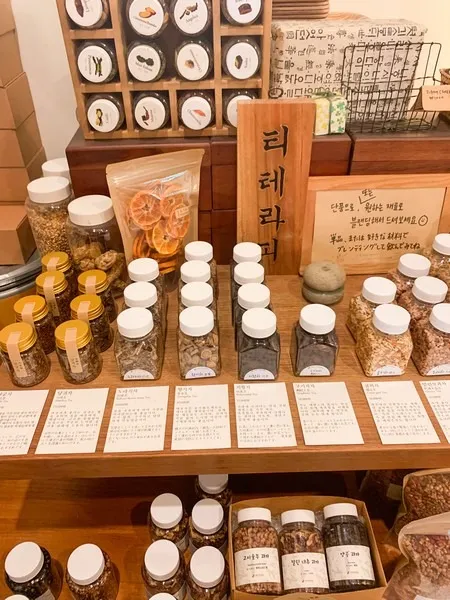
Tea Therapy (티테라피) – With a focus on health and well-being, Tea Therapy offers a range of herbal teas and blends. Try their signature teas, which are designed to relax, rejuvenate, and restore balance.
Teazen (티젠) – Offering a modern twist on traditional Korean teas, Teazen is a popular spot for tea enthusiasts. Their menu includes a variety of teas, from classic green tea to unique fruit blends.
Unique Tea Experiences
Jin Dal Lae (진달래) – Experience the art of Korean tea ceremony at Jin Dal Lae. Located in the heart of Seoul, this tea house offers a serene environment where you can learn about the history and customs of Korean tea.
Moonbird Only Thé (문버드온리떼) – A hidden gem in the bustling neighborhood of Hongdae, Moonbird Only Thé offers a unique tea experience. Try their signature tea cocktails, which blend traditional Korean teas with modern flavors.
Chunhcheon Dakdoritang Tea House (춘천 닭도리탕 찻집) – For a taste of traditional Korean cuisine and tea, visit Chunhcheon Dakdoritang Tea House. This cozy spot offers a variety of teas paired with delicious Korean dishes.
Tips for Tea Lovers:
Try Traditional Korean Teas: Explore the world of Korean teas, including barley tea (보리차 – bori-cha), persimmon leaf tea (감잎차 – gam-ip-cha), and jujube tea (대추차 – daechu-cha).
Join a Tea Workshop: Many tea houses offer workshops where you can learn about tea culture and even make your own tea blend.
Pair Tea with Korean Sweets: Enjoy your tea with traditional Korean sweets like hangwa (한과) or rice cakes (떡).
Seoul’s tea spots offer a unique blend of tradition and innovation, making them a must-visit for anyone looking to explore Korea’s rich tea culture. Whether you’re sipping on a traditional Korean tea in a hanok house or enjoying a modern tea blend in a trendy cafe, Seoul’s tea spots are sure to delight your senses.
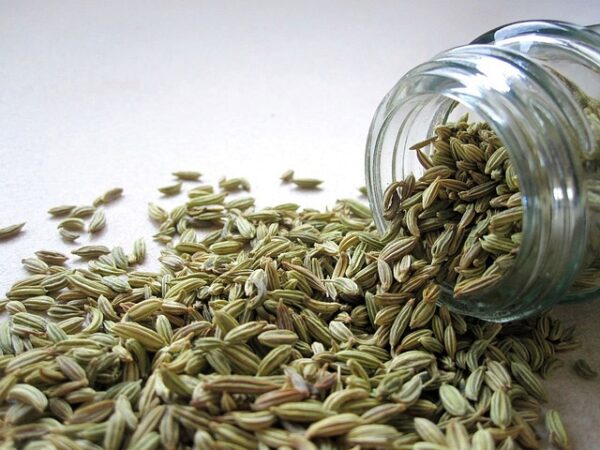
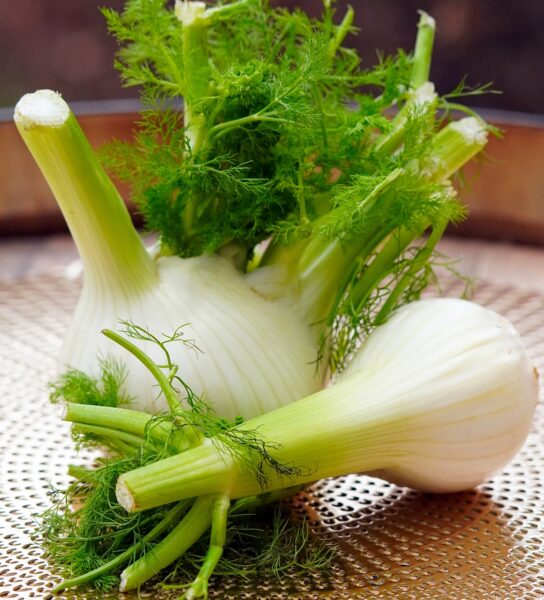
Fennel tea, made from the seeds of the fennel plant (Foeniculum vulgare), has been cherished for centuries for its delightful flavor and numerous health benefits. Whether you’re a seasoned tea enthusiast or new to the world of herbal infusions, fennel tea is a beverage worth exploring. In this blog post, we’ll delve into the history, benefits, preparation methods, and various ways to enjoy this aromatic tea.
A Brief History of Fennel Tea
Fennel has a rich history dating back to ancient times. It was highly regarded by the Greeks and Romans for its culinary and medicinal properties. The Greeks used fennel as a symbol of strength and longevity, while the Romans believed it could improve eyesight. Over the centuries, fennel spread across the globe, and its seeds became a popular ingredient in traditional medicine and culinary practices.
Health Benefits of Fennel Tea
Fennel tea offers a variety of health benefits, making it a valuable addition to your daily routine. Here are some of the key benefits:
Digestive Aid: Fennel tea is known for its ability to soothe the digestive system. It can help alleviate bloating, gas, and indigestion, making it an excellent choice after a heavy meal.
Anti-Inflammatory Properties: The anti-inflammatory compounds in fennel seeds can help reduce inflammation in the body, providing relief from conditions like arthritis and other inflammatory diseases.
Hormonal Balance: Fennel contains phytoestrogens, which can help balance hormones and alleviate symptoms of menopause and menstrual discomfort.
Antioxidant-Rich: Fennel tea is packed with antioxidants that protect your body from free radicals, promoting overall health and reducing the risk of chronic diseases.
Immune System Boost: The vitamin C content in fennel seeds can help strengthen the immune system, keeping you healthy and more resilient to infections.
How to Prepare Fennel Tea
Making fennel tea at home is simple and requires only a few ingredients. Here’s a basic recipe to get you started:
Ingredients:
1 teaspoon of fennel seeds
1 cup of boiling water
Honey or lemon (optional, for added flavor)
Instructions:
Crush the Seeds: Gently crush the fennel seeds using a mortar and pestle or the back of a spoon to release their essential oils.
Steep: Place the crushed seeds in a teapot or cup and pour boiling water over them. Cover and let it steep for 5-10 minutes.
Strain: Strain the tea into a cup to remove the seeds.
Enjoy: Add honey or lemon to taste, if desired. Enjoy your fennel tea warm.
Creative Ways to Enjoy Fennel Tea
While traditional fennel tea is delightful on its own, there are several ways to get creative with this herbal infusion:
Iced Fennel Tea: Brew a stronger batch of fennel tea, let it cool, and serve it over ice for a refreshing summer beverage.
Fennel Tea Latte: Combine fennel tea with steamed milk and a touch of honey for a soothing latte.
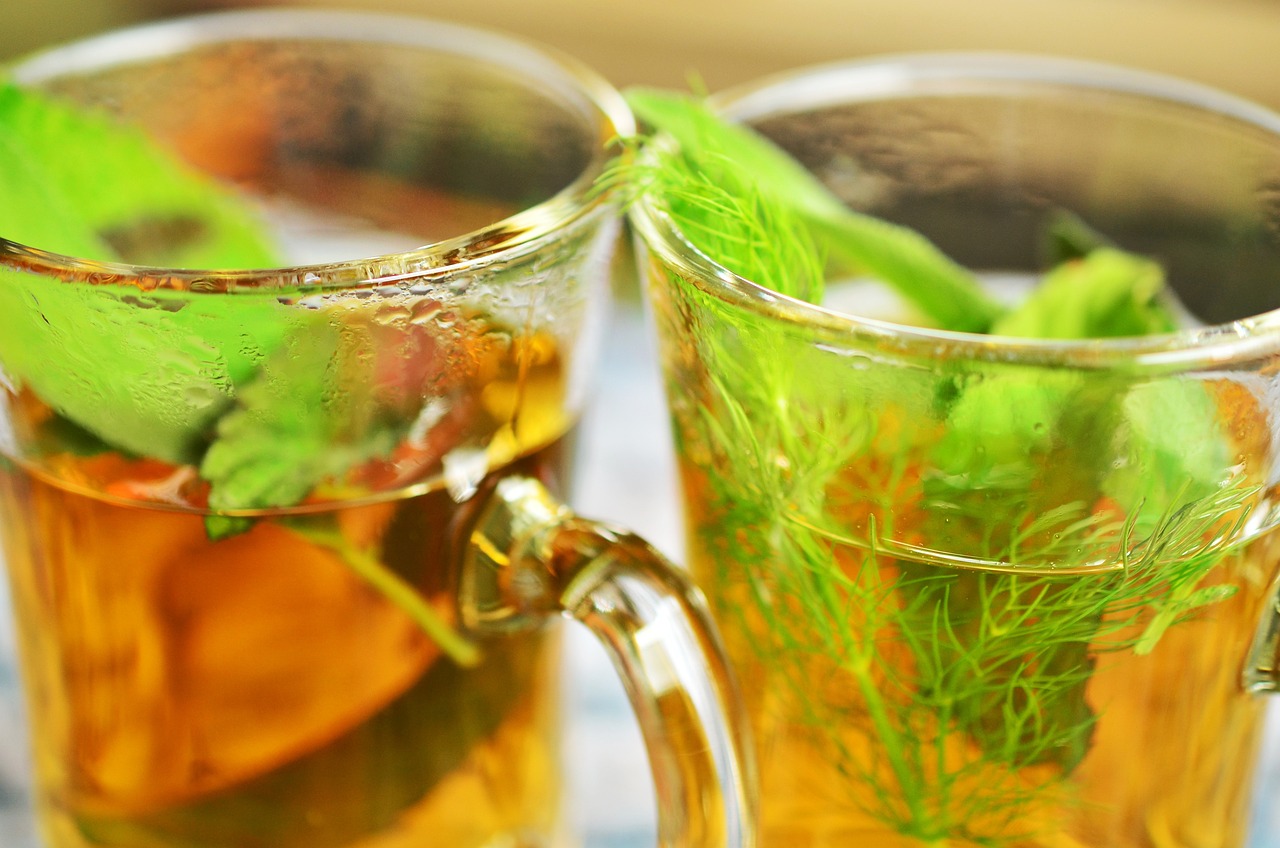
Fennel and Mint Blend: Add fresh mint leaves to your fennel tea for a refreshing twist.
Fennel Tea with Spices: Enhance the flavor of your fennel tea by adding spices like cinnamon, ginger, or cardamom.
Fennel tea is a versatile and healthful beverage that deserves a spot in your tea collection. Its unique flavor, coupled with its numerous health benefits, makes it a perfect choice for anyone looking to improve their well-being naturally. Whether you enjoy it hot or cold, plain or blended, fennel tea is sure to become a favorite in your daily routine. So, brew a cup, sit back, and savor the aromatic and soothing qualities of this ancient herbal tea.
Inflammation is a natural response by the body to protect itself from harm. However, chronic inflammation can lead to various health issues, including heart disease, diabetes, and arthritis. Fortunately, nature provides us with remedies in the form of teas that possess powerful anti-inflammatory properties. Let’s explore some of these healing brews:
1. Turmeric Tea:
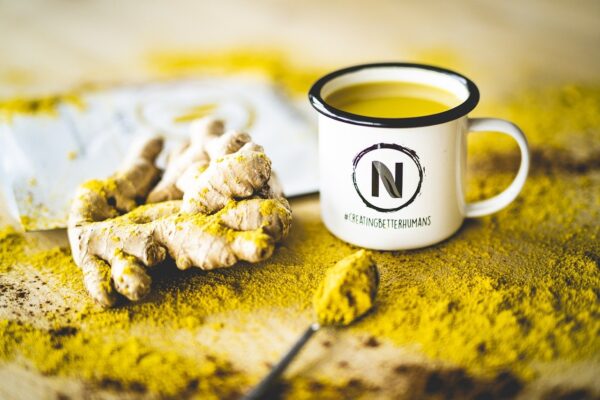
Key Ingredient: Curcumin, the active compound in turmeric, is a potent anti-inflammatory agent.
Health Benefits: Reduces inflammation, improves brain function, and may lower the risk of heart disease.
How to Brew: Mix turmeric powder with hot water and add a dash of black pepper to enhance absorption.
2. Ginger Tea:
Key Ingredient: Gingerol, the main bioactive compound in ginger, is known for its anti-inflammatory effects.
Health Benefits: Alleviates muscle pain, reduces inflammation, and aids digestion.
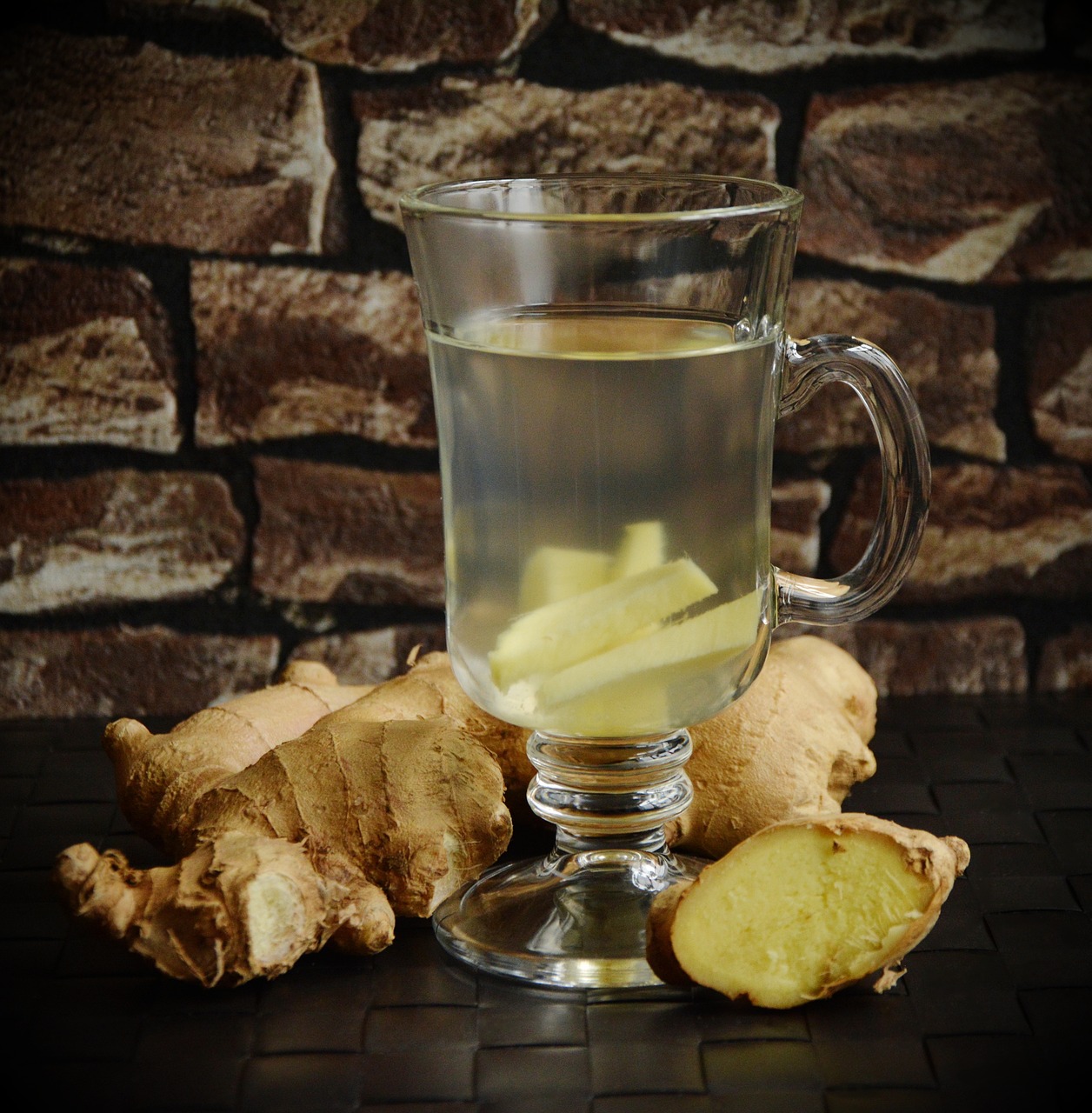
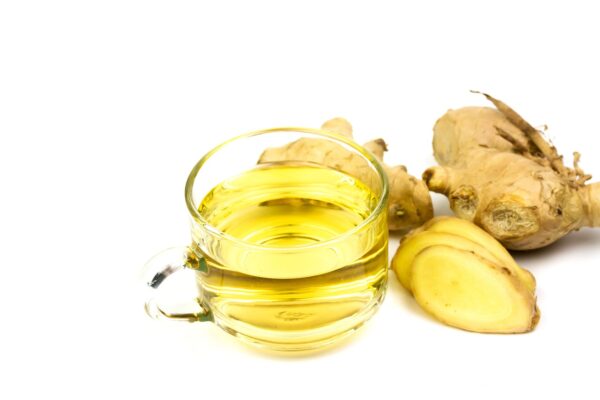
How to Brew: Steep fresh ginger slices in hot water for a soothing cup of tea.
3. Green Tea:
Key Ingredient: Epigallocatechin gallate (EGCG) is a powerful antioxidant in green tea with anti-inflammatory properties.
Health Benefits: Protects against cell damage, reduces inflammation, and may lower the risk of cancer.
How to Brew: Steep green tea leaves in hot water for a refreshing drink.
4. Chamomile Tea:
Key Ingredient: Chamomile contains flavonoids, which possess anti-inflammatory properties.
Health Benefits: Promotes sleep, reduces inflammation, and soothes digestive issues.
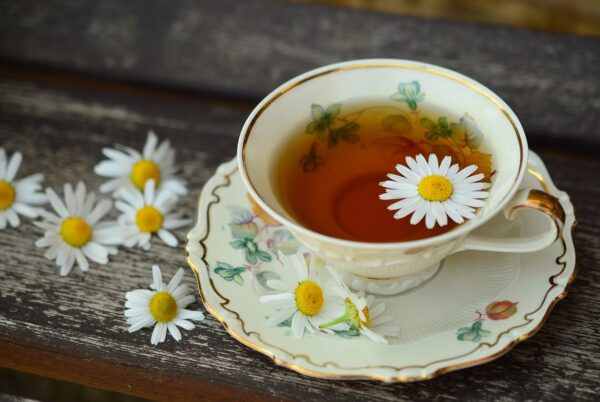
How to Brew: Steep dried chamomile flowers in hot water for a calming cup of tea.
5. Rooibos Tea:
Key Ingredient: Aspalathin, a unique antioxidant in rooibos tea, has anti-inflammatory properties.
Health Benefits: Supports heart health, reduces inflammation, and may improve blood sugar levels.
How to Brew: Steep rooibos tea leaves in hot water for a caffeine-free beverage.
Incorporating these teas into your daily routine can help combat inflammation and promote overall well-being. However, it’s essential to consult with a healthcare professional before adding new teas to your diet, especially if you have any existing health conditions or are pregnant.
So, brew yourself a cup of healing tea and let nature’s remedy soothe your body and soul!
The Ultimate Guide to Rooibos Tea: Benefits, Brewing Tips, and More
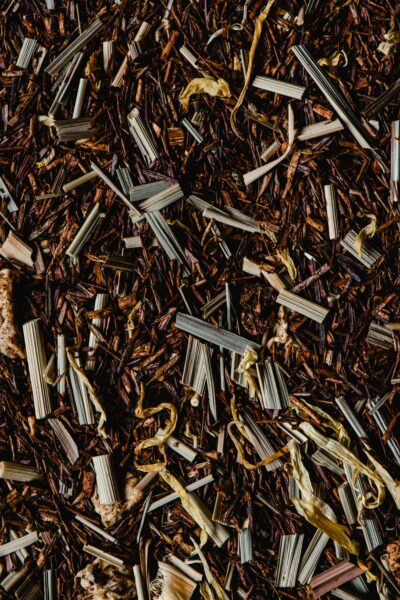
Rooibos tea, also known as red bush tea, is a flavorful and aromatic herbal tea that has gained popularity worldwide for its rich taste and numerous health benefits. Originating from South Africa, rooibos tea offers a caffeine-free alternative to traditional teas, making it an excellent choice for those looking to reduce their caffeine intake. In this comprehensive guide, we’ll explore everything you need to know about rooibos tea, from its origins and health benefits to brewing tips and recipes.
Origins and History
Rooibos tea comes from the Aspalathus linearis plant, which is native to the Cederberg region of South Africa. The indigenous Khoisan people have been using rooibos for its medicinal properties for centuries. The tea was first introduced to the Western world in the early 20th century and has since become a beloved beverage globally.
Health Benefits
Rich in Antioxidants: Rooibos tea is packed with antioxidants, including aspalathin and quercetin, which help protect the body from free radical damage and reduce inflammation.
Caffeine-Free: Unlike black or green tea, rooibos is naturally caffeine-free, making it an excellent choice for those sensitive to caffeine or looking to avoid it.
Supports Heart Health: Studies have shown that rooibos tea can help lower blood pressure and improve cholesterol levels, contributing to better heart health.
Aids Digestion: Rooibos tea has antispasmodic properties that can help alleviate digestive issues such as cramps, diarrhea, and indigestion.
Skin Health: The antioxidants and anti-inflammatory properties in rooibos tea can improve skin health, reduce acne, and promote a healthy complexion.
How to Brew the Perfect Cup
Brewing rooibos tea is simple and can be done using loose leaves or tea bags. Here’s a step-by-step guide:
Boil Water: Start by boiling fresh, cold water. Unlike green tea, rooibos can be brewed with boiling water.
Measure the Tea: Use one teaspoon of loose rooibos tea or one tea bag per cup (about 8 ounces) of water.
Steep: Pour the boiling water over the tea and let it steep for 5 to 7 minutes. The longer it steeps, the richer the flavor.
Strain and Serve: If using loose tea, strain the leaves before serving. Enjoy your rooibos tea plain or with a splash of milk and a sweetener of your choice.
Rooibos Tea Recipes
Rooibos tea is incredibly versatile and can be used in a variety of recipes. Here are a few to try:
1. Rooibos Iced Tea
Brew a strong pot of rooibos tea by using twice the amount of tea leaves.
Let it cool to room temperature, then refrigerate.
Serve over ice with a slice of lemon and a sprig of mint for a refreshing summer drink.
2. Rooibos Latte
Brew a cup of rooibos tea and let it steep for 7 minutes.
Heat milk (dairy or plant-based) and froth it until foamy.
Combine the tea and milk, sweeten with honey or agave syrup, and enjoy a cozy rooibos latte.
3. Rooibos Smoothie
Brew a cup of rooibos tea and let it cool.
In a blender, combine the tea with a banana, a handful of spinach, and a cup of frozen berries.
Blend until smooth for a nutrient-packed, antioxidant-rich smoothie.
Final Thoughts
Rooibos tea is a delicious and healthy addition to any tea lover’s collection. Whether you’re looking for a caffeine-free option, a boost in antioxidants, or a versatile ingredient for various recipes, rooibos tea has something to offer. Experiment with different brewing methods and recipes to discover your favorite way to enjoy this South African treasure. Cheers to good health and great tea!
Food poisoning is an unpleasant and potentially dangerous condition that can occur after consuming contaminated food or beverages. While prevention strategies such as proper food handling and hygiene are paramount, certain natural remedies can also play a role in mitigating the risk. One such remedy is tea. In this blog post, we’ll explore how tea can help prevent food poisoning and the best types of tea to include in your diet for this purpose.
Understanding Food Poisoning
Food poisoning is caused by consuming food or drinks contaminated with harmful bacteria, viruses, parasites, or toxins. Common symptoms include nausea, vomiting, diarrhea, stomach cramps, and fever. To minimize the risk of food poisoning, it’s essential to practice good food safety habits, such as washing hands and utensils, cooking food thoroughly, and avoiding cross-contamination.
How Tea Can Help
Certain types of tea contain compounds that have antibacterial, antiviral, and anti-inflammatory properties, which can help prevent food poisoning or alleviate its symptoms. Here’s how tea can contribute to food safety:
Antibacterial Properties: Many teas contain polyphenols and catechins, which are known for their antibacterial effects. These compounds can help reduce the growth of harmful bacteria in the digestive system.
Antioxidant Effects: Teas are rich in antioxidants, which help boost the immune system, making it more effective at fighting off infections, including those that cause food poisoning.
Digestive Aid: Some teas can aid in digestion and soothe the gastrointestinal tract, helping to alleviate the symptoms of food poisoning if they do occur.
Best Teas for Preventing Food Poisoning
Here are some of the most effective teas to consider incorporating into your diet to help prevent food poisoning:
Green Tea
Why It Helps: Green tea is rich in catechins, particularly epigallocatechin gallate (EGCG), which has potent antibacterial properties. These compounds can inhibit the growth of foodborne pathogens such as E. coli and Salmonella.
How to Use: Drink 2-3 cups of green tea daily, preferably with meals, to maximize its benefits.
Ginger Tea
Why It Helps: Ginger has strong anti-inflammatory and antibacterial properties. It can help soothe the stomach and improve digestion, reducing the likelihood of foodborne illnesses.
How to Use: Prepare fresh ginger tea by boiling sliced ginger root in water. Drink it before or after meals to support digestion and protect against bacteria.
Peppermint Tea
Why It Helps: Peppermint tea has antimicrobial properties and can help relax the digestive tract, reducing symptoms such as nausea and cramps associated with food poisoning.
How to Use: Brew peppermint tea using fresh leaves or tea bags and consume it after meals.
Chamomile Tea
Why It Helps: Chamomile tea is known for its soothing effects on the digestive system. It can help reduce inflammation and has mild antibacterial properties.
How to Use: Drink chamomile tea before bedtime or after meals to help calm your digestive system.
Lemon Balm Tea
Why It Helps: Lemon balm has antiviral and antibacterial properties. It can help protect against pathogens that cause food poisoning and support overall digestive health.
How to Use: Brew lemon balm tea using dried leaves and drink it regularly to benefit from its protective properties.
Additional Tips for Preventing Food Poisoning
Hygiene: Always wash your hands before handling food and ensure kitchen surfaces and utensils are clean.
Proper Cooking: Cook foods to the appropriate temperatures to kill harmful bacteria.
Storage: Store food at the correct temperatures to prevent bacterial growth.
Awareness: Be mindful of food recalls and avoid consuming products that have been identified as contaminated.
While tea should not be seen as a substitute for proper food safety practices, incorporating antibacterial and digestive-supporting teas into your diet can be a helpful addition to your overall strategy for preventing food poisoning. By enjoying a variety of teas such as green tea, ginger tea, peppermint tea, chamomile tea, and lemon balm tea, you can support your digestive health and enhance your body’s defenses against harmful pathogens.
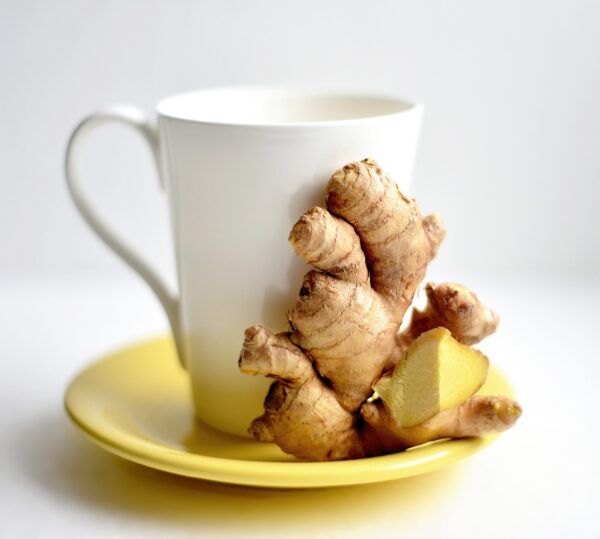
Ginger tea, with its warm and spicy flavor, has been enjoyed for centuries for its health benefits and comforting properties. This golden brew is not only soothing but also packed with nutrients and compounds that can boost your health in various ways. In this blog post, we’ll delve into the origins of ginger tea, its health benefits, and how you can make this delightful beverage at home.
The Origins of Ginger Tea: Ginger tea traces its roots back to ancient China, where it was used for its medicinal properties. Over time, it spread to other parts of Asia, the Middle East, and eventually Europe. Today, it’s a popular beverage enjoyed worldwide, known for its unique flavor and health-promoting effects.
Health Benefits of Ginger Tea:
Digestive Aid: Ginger tea is renowned for its ability to aid digestion. It can help relieve indigestion, bloating, and nausea, making it an excellent choice after a heavy meal or during bouts of stomach upset.
Anti-inflammatory Properties: Ginger contains compounds like gingerol, which have potent anti-inflammatory effects. Regular consumption of ginger tea may help reduce inflammation in the body, potentially benefiting those with arthritis or other inflammatory conditions.
Immune Booster: Ginger is rich in antioxidants, which can help strengthen the immune system and protect against diseases. Drinking ginger tea regularly may help reduce the risk of infections and support overall immune health.
Relieves Menstrual Discomfort: For women experiencing menstrual cramps, ginger tea may offer relief. Its anti-inflammatory properties can help reduce the severity of cramps and alleviate associated symptoms.
May Lower Blood Sugar and Cholesterol: Some studies suggest that ginger may help lower blood sugar levels and cholesterol levels, though more research is needed to confirm these effects.
How to Make Ginger Tea: Making ginger tea at home is simple and requires just a few ingredients. Here’s a basic recipe to get you started:
Ingredients:
1-2 inches of fresh ginger root, peeled and thinly sliced
2 cups of water
Honey or lemon (optional, for flavor)
Instructions:
In a small saucepan, bring the water to a boil.
Add the sliced ginger to the boiling water.
Reduce the heat and let the tea simmer for about 10-15 minutes.
Strain the tea into a cup and add honey or lemon to taste, if desired.
Variations and Tips:
For a spicier kick, add a pinch of ground cinnamon or a few cloves to the tea.
You can also add other ingredients like mint leaves or black tea to create different flavors.
To enhance the flavor and health benefits, use organic ginger and natural sweeteners like raw honey.
Ginger tea is not only a delicious and soothing beverage but also a natural remedy with a wide range of health benefits. Whether you enjoy it for its digestive properties, immune-boosting effects, or simply its comforting warmth, ginger tea is a versatile drink that can easily become a part of your daily routine. So, brew yourself a cup of this golden elixir and savor both its taste and health benefits.
Are you looking for a coffee alternative that’s rich, nutty, and caffeine-free? Look no further than chicory root tea! This unique beverage offers a bold flavor similar to coffee but with its own distinct profile. Not only does it satisfy your taste buds, but it also offers several health benefits, making it a fantastic choice for those looking to explore new flavors while supporting their well-being.
Flavor Profile: Chicory root tea boasts a robust and nutty flavor with a slightly bitter undertone, reminiscent of coffee. Its deep, earthy notes make it a satisfying beverage, especially for those seeking a coffee-like experience without the caffeine.
Health Benefits: One of the key benefits of chicory root tea is its high inulin content. Inulin is a prebiotic fiber that acts as a food source for beneficial gut bacteria, promoting gut health and digestion. Additionally, chicory root tea is caffeine-free, making it an excellent choice for individuals looking to reduce their caffeine intake without sacrificing flavor.
Best Enjoyed: Chicory root tea is best enjoyed as a coffee alternative. Whether you’re looking for a caffeine-free morning beverage or a soothing drink to unwind in the evening, chicory root tea offers a delightful and flavorful option.
How to Prepare Chicory Root Tea: To prepare chicory root tea, simply steep a teaspoon of dried chicory root in hot water for about 5-10 minutes, depending on your desired strength. You can enjoy it plain or add a splash of milk or a natural sweetener to enhance its flavor.
Chicory root tea is a wonderful alternative to coffee, offering a rich, nutty flavor profile and several health benefits. Whether you’re looking to reduce your caffeine intake or simply explore new flavors, chicory root tea is a fantastic option to consider. So why not add a new twist to your tea collection and give chicory root tea a try?
Remember to always consult with a healthcare professional before making any significant changes to your diet or lifestyle.